When I picture this next season, what I crave most isn’t adventure—it’s quiet. The kind of quiet that lets you hear your own thoughts again.
For years, we’ve been in go-mode. Projects, deadlines, clients, bills—it’s been a beautiful whirlwind, but somewhere along the way, I started missing stillness. The kind that doesn’t need to be productive. The kind where the sound of wind through trees is enough.
“The Land” offers that kind of quiet. It’s not about isolation—it’s about intentional space. Space to breathe, to rest, to dream without distraction.
I’ve realized that creativity doesn’t thrive in chaos; it thrives in peace. And that’s what I’m chasing now. Not more noise. Not more things. Just quiet—so I can listen again to what’s next for me, for us, for the life we’re building.
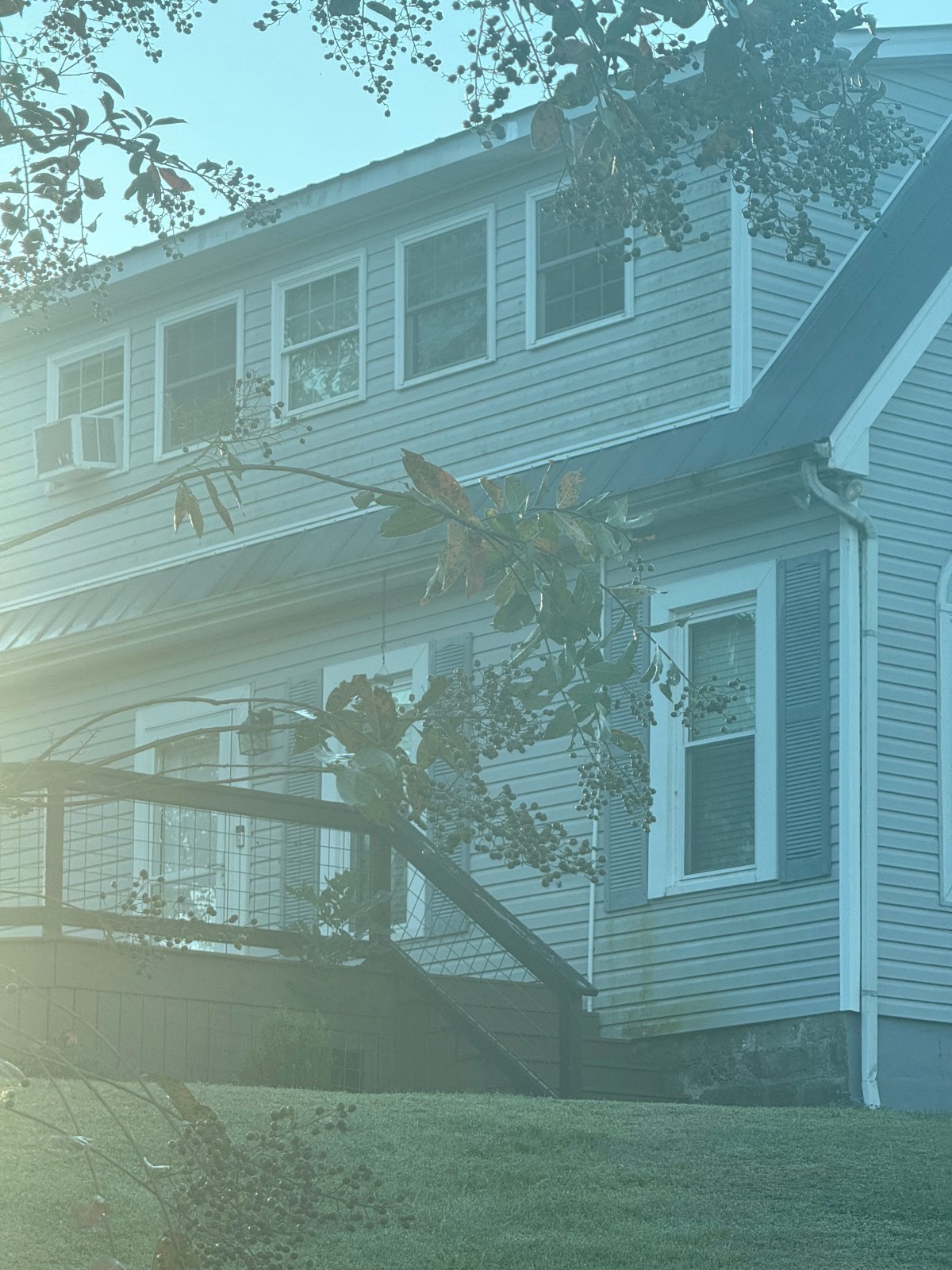
Letting go of our home has been a slow goodbye. Not the dramatic, door-slamming kind, but the quiet, thoughtful kind—one that lingers in the air while you sweep the floor one last time.
We’ve known for a while that this house wasn’t forever. Our landlords have become dear friends, and their family deserves the chance to create new memories here, just like we did. That’s what makes this move so bittersweet.
Every corner tells a story—the laughter that filled the kitchen, the late-night talks in the shop, the sound of rain on the old tin roof. I’ll miss it all. But when I think about what’s next, I can’t help but feel excitement more than sadness.
We’re not losing a home; we’re gaining a new chapter. And the best way to honor what we’ve had is to leave it better than we found it—clean, cared for, and full of gratitude.
Goodbye isn’t always an ending. Sometimes it’s just a gentle pause before the next hello.
When people hear we’re moving into an RV, they say, “Wow, you’re really starting over.” But here’s the thing—I’m not starting over. I’m continuing forward.
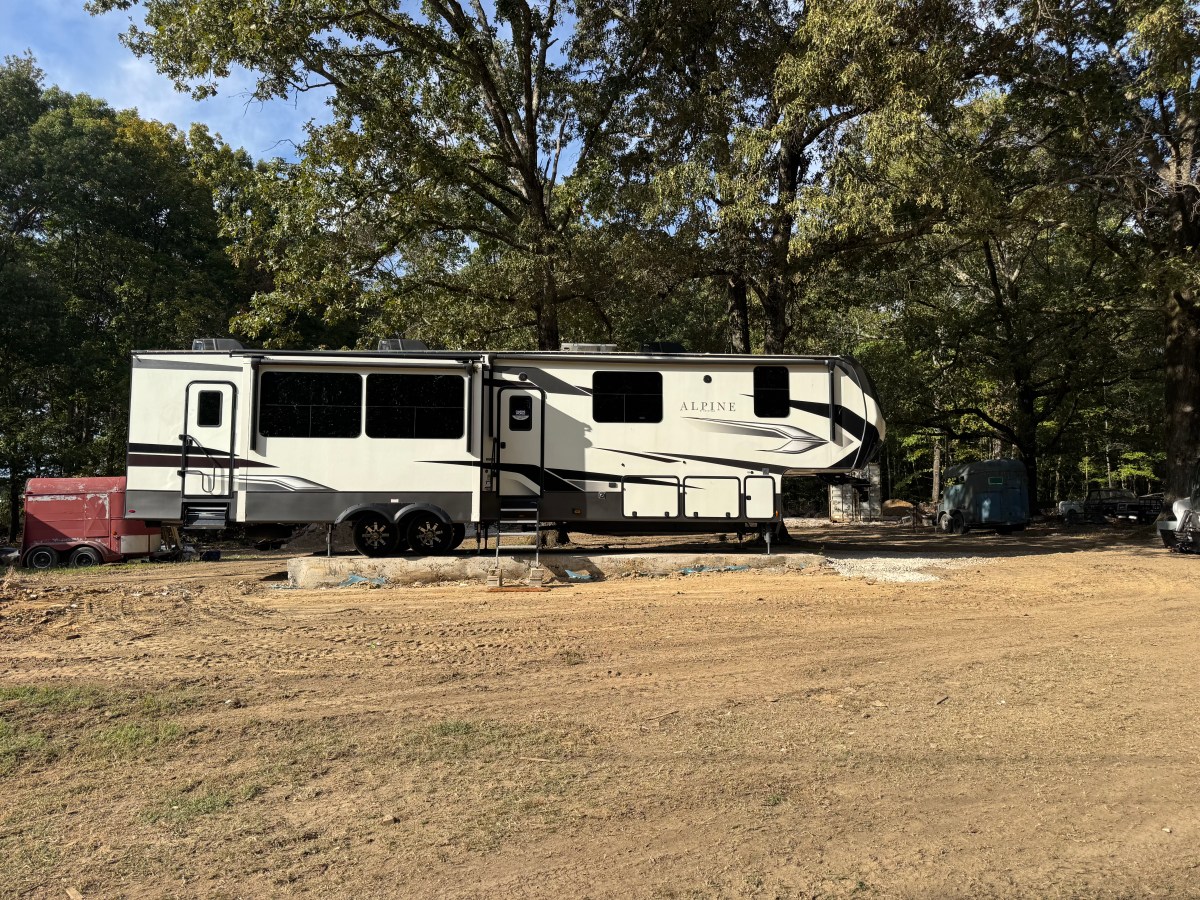
We’re not erasing our history; we’re building on it. Every lesson, every challenge, every home we’ve had has brought us to this point. And this point just happens to look like a fifth wheel parked under the Tennessee stars.
There’s power in reframing what “starting over” means. It’s not failure—it’s freedom. It’s the courage to pivot when your soul whispers that it’s time.
I used to think success meant more—more square footage, more decor, more visible progress. Now I see that real success is alignment. It’s being able to look at your life and say, “This fits me now.”
So no, we’re not starting over. We’re continuing—just lighter, freer, and a little braver than before.
There’s a strange thing that happens when you finally get comfortable. You stop questioning whether your life still fits. For years, I thought comfort meant stability—same house, same setup, same rhythm. But comfort can quietly turn into clutter when it keeps you from moving forward.
When we first talked about selling things and moving into an RV, I realized how much of my “comfort” was tied to convenience. I didn’t need half the things in my home; I just didn’t want to deal with letting them go. Every shelf, closet, and storage bin had something that used to be meaningful but wasn’t anymore.
It’s humbling to look around and realize how much energy your stuff demands—dusting it, storing it, repairing it, tripping over it. Each box became a little anchor that whispered, “You can’t leave yet.”
But the truth is, you can. And once you start saying goodbye to what you don’t need, the relief that follows feels better than comfort ever did.
Sometimes you have to unclutter your environment to remember who you are without all the noise.
Here’s something I want to be really honest about: change is hard, even when you know it’s the right move.
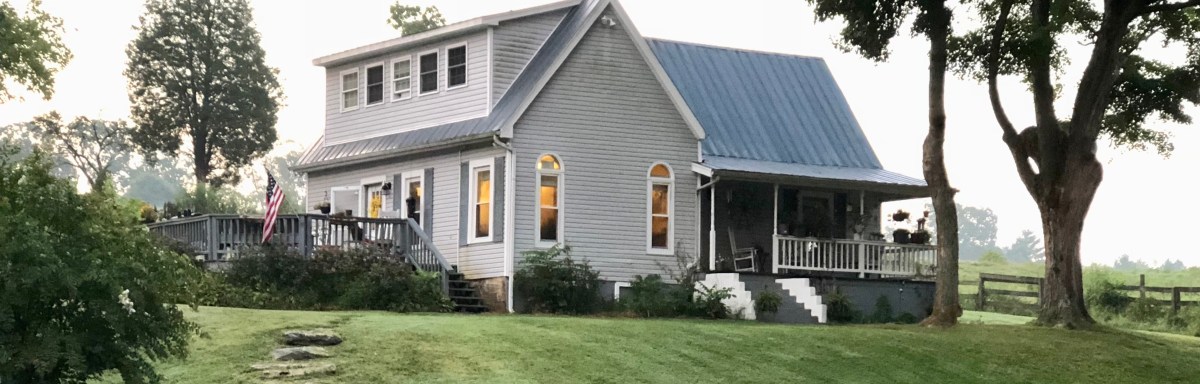
Leaving this 120-year-old house is emotional. We’ve loved this place. Our neighbors are more than neighbors—they’ve become friends and family. The walls have seen joy, laughter, milestones, and even tears. It’s not easy to close the door on all of that.
I’ve cried while boxing up dishes. I’ve stood in the middle of the living room and thought about all the times we gathered there. And I’ve wondered, even for just a second, if we’re making a mistake.
But then I remember something: leaving doesn’t mean it wasn’t good. It means the season has shifted. Our neighbors’ rising generation needs this house now. And honestly? That’s a beautiful thing. We’re not being pushed out—we’re stepping aside so another family can make memories here, too.
So yes, it’s bittersweet. But the hard part of letting go is what makes room for the beautiful new beginning ahead. RV life isn’t about running away. It’s about leaning into possibility. It’s about choosing to embrace the unknown because that’s where growth and creativity live.
And at the end of the day, I’d rather step forward into something new, even with tears in my eyes, than stay put and never know what could have been.
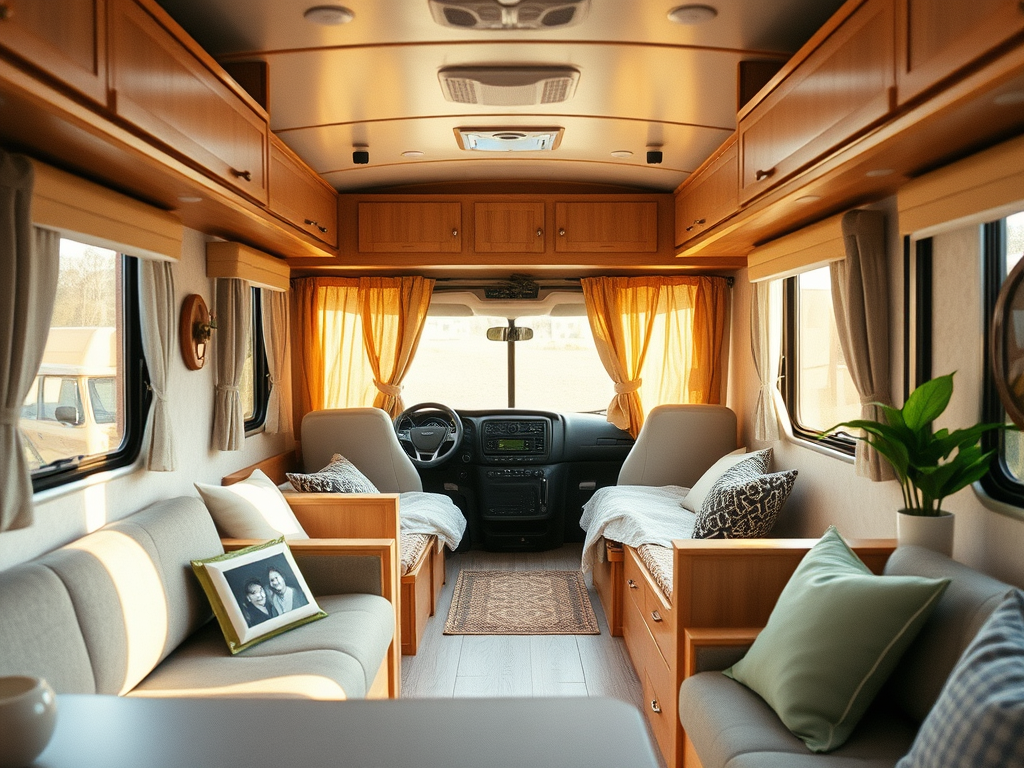
For us, this move isn’t just about where we’re sleeping—it’s about how we’re living. When we talk about moving onto “The Land,” it’s more than just setting up an RV in a new location. It’s about creating rhythms and routines that actually feel like us.
I picture mornings where I make coffee and sit outside with Chris as the sun rises. Evenings where we build a fire under the stars instead of zoning out to background noise. Weekdays where we can walk straight from our home into our work without a commute, without distraction, and without the burden of overhead costs that keep us tied down.
For the first time in our marriage, we’ll get to experience what it means to just be “Chris and Bri.” When we got married, Chris was already a single dad, so our life as a couple started with parenting right out of the gate. Then we raised kids, ran businesses, and built homes—all good, beautiful things. But this, right now, is the first time we’re entering a season of just us.
And while the logistics of moving trailers, buildings, and equipment are daunting, the bigger picture is thrilling. We’re not downsizing—we’re right-sizing. This new rhythm is about simplifying the noise and making room for the life we actually want to live.
I understand why people raise an eyebrow when they hear the words “RV living.” It’s usually followed by a cautious, “Are you guys okay?” as if moving into a smaller space must mean we’ve hit some kind of rock bottom.
But here’s the truth: this move isn’t a setback. It’s a power move.
Let’s run the numbers. If we went out tomorrow and rented another house, we’d easily be looking at $2,000 a month for the rent, plus all utilities. That’s just for a place to live. Add to that the cost of renting space to store our business equipment and tools—easily another $1,500–$2,000 a month. Then tack on our office lease, which is about $2,000 a month with its utilities. Suddenly we’re in the $5,000–$8,000 a month range just to exist.
Now here’s the other side of that equation: the RV is already ours. In addition if you wanted to finance one you can find a certified preowned or a used one for way cheaper than rent. By choosing this lifestyle, we’re eliminating a huge amount of unnecessary overhead. We’re not being forced into it—we’re choosing it.
And if I’m being really honest, I’m excited about what that choice means. It means flexibility. It means clarity. It means we can focus on building the life we want instead of paying bills for a life that doesn’t fit anymore.
When we lived in a tiny apartment with four kids, we were scrappy, resourceful, and inspired. We were creative because we had to be. And now, years later, we’re stepping back into that energy—but this time, it’s not out of financial necessity. It’s out of alignment with what matters to us.
Minimalism isn’t about lack. It’s about freedom. And right now, freedom feels like the ultimate luxury.
When people hear we’re moving into an RV, the very first question that pops out of their mouth is: what about all your stuff?
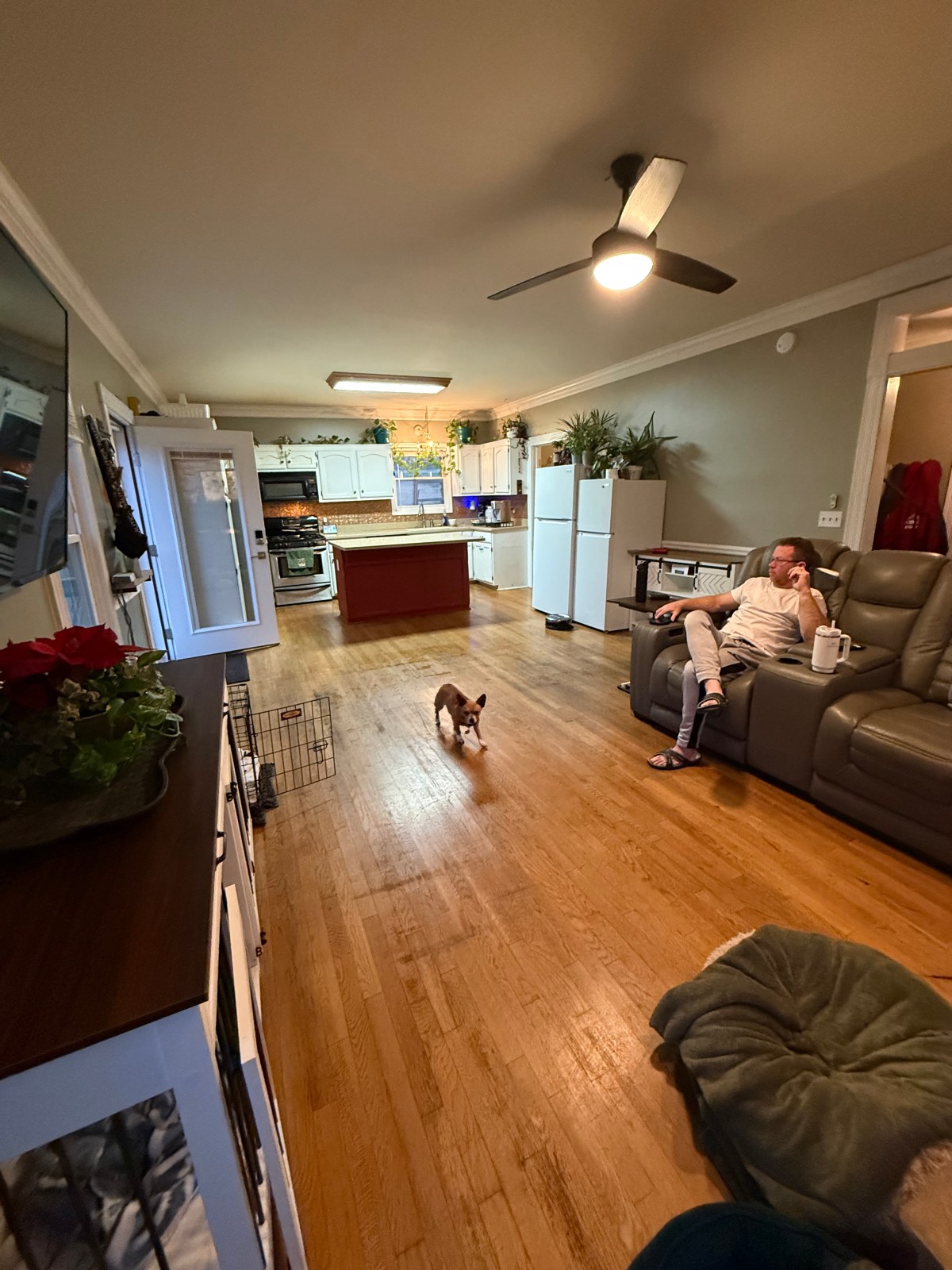
It’s a fair question. Over the years, we’ve collected furniture, keepsakes, equipment for the businesses, not to mention the everyday things you just somehow accumulate. Downsizing from 2,000 square feet to an RV isn’t exactly a matter of shoving everything into smaller closets—it’s a complete reimagining of what we own, why we own it, and what role those things play in our lives.
Here’s the truth: we’ve been decluttering for years. Each move has reminded me that what I hold onto should either serve my life today or bring me joy. And honestly? A lot of what I was storing wasn’t doing either.
Do I love my cherry sleighed we’ve had for 20 years? Yes. Does it make sense to drag it into an RV? No. So, I bless it, I photograph it, and I let it go. That’s been my process—acknowledging the meaning, preserving the memory, and then making room for new experiences.
What I’ve learned is that the more I own, the less I create. Managing stuff takes energy—energy I’d rather spend writing, designing, building, and living. This RV move isn’t about sacrifice; it’s about stewardship. Less space, less stress, and more energy for the things that truly matter.
So, when people ask, “what about all your stuff?” my answer is simple: the stuff that fits will come with us. The rest? It’s just stuff. And I’m not going to let it weigh down the next chapter of our life.
When I started minimizing, I thought people around me would be shocked. I imagined friends asking why I sold half my closet, or family wondering why my house suddenly felt lighter. But the truth? Hardly anyone noticed. And that was the best part.
Minimalism is not about convincing anyone or making a big announcement. It’s about quietly choosing peace for yourself. I didn’t wait for approval, and I didn’t demand applause. I just started—one drawer, one closet, one decision at a time.
Eventually, people did notice, but not because of my stuff. They noticed my calm. They noticed I wasn’t stressed about finding things, or about cleaning, or about keeping up. They noticed I seemed freer. And slowly, a few even asked me how I did it.
If no one notices your minimalism at first—good. That means you’re doing it for the right reasons.
I used to think getting rid of things was selfish. My grandmother gave me that vase, my friend bought me that scarf, my husband might use that tool someday. I held onto stuff out of guilt.
But here’s the shift: keeping things I don’t love or use doesn’t honor the person who gave them to me—it only clutters my life. Letting go is not selfish.
It’s honest.
When I started minimizing, I told myself: “If this gift meant something, the memory stays even if the object doesn’t.” Once I leaned into that, I felt lighter and freer. I started passing things along—to donation centers, to friends who would actually use them. Suddenly, the objects I once felt chained to were blessing someone else.
Minimalism isn’t selfish. It’s stewardship. And sometimes the kindest thing you can do for yourself—and others—is let go.



 Bri Clark